

At Education Design International, we often find ourselves pondering over the crucial question: “How can our schools create nature-connected, globally responsible citizens?” We firmly believe that the answer to this transformative question lies in the environment where our children learn, grow, and shape their perspectives.
Cultivating a Sense of Awe and Wonder
One of the most profound ways of ensuring this connection with nature and global responsibility is to cultivate a sense of ‘awe’ and ‘wonder’ in our children. This awe-inspiring sense isn’t just about leaving children wide-eyed with surprise but more about fostering expansive thinking and igniting a deep connection with all life forms. It inspires a journey that leads children not just towards self-actualization but further to the realm of self-transcendence.

Self-Transcendence: Embracing Interconnectedness
In the context of education and child development, self-transcendence means recognizing and embracing our interconnectedness with all life forms, including humans and nature. It is about understanding and accepting our shared responsibility towards every creature that calls Earth home. By nurturing this sense of self-transcendence, we can guide our children towards becoming globally responsible citizens who appreciate and value the natural world and all its inhabitants.
The Role of Educational Spaces
The physical spaces where children learn play a pivotal role in nurturing this awe-inspired journey towards global responsibility. Here at Education Design International, we advocate for the incorporation of biophilic design elements in educational spaces to evoke this sense of awe.
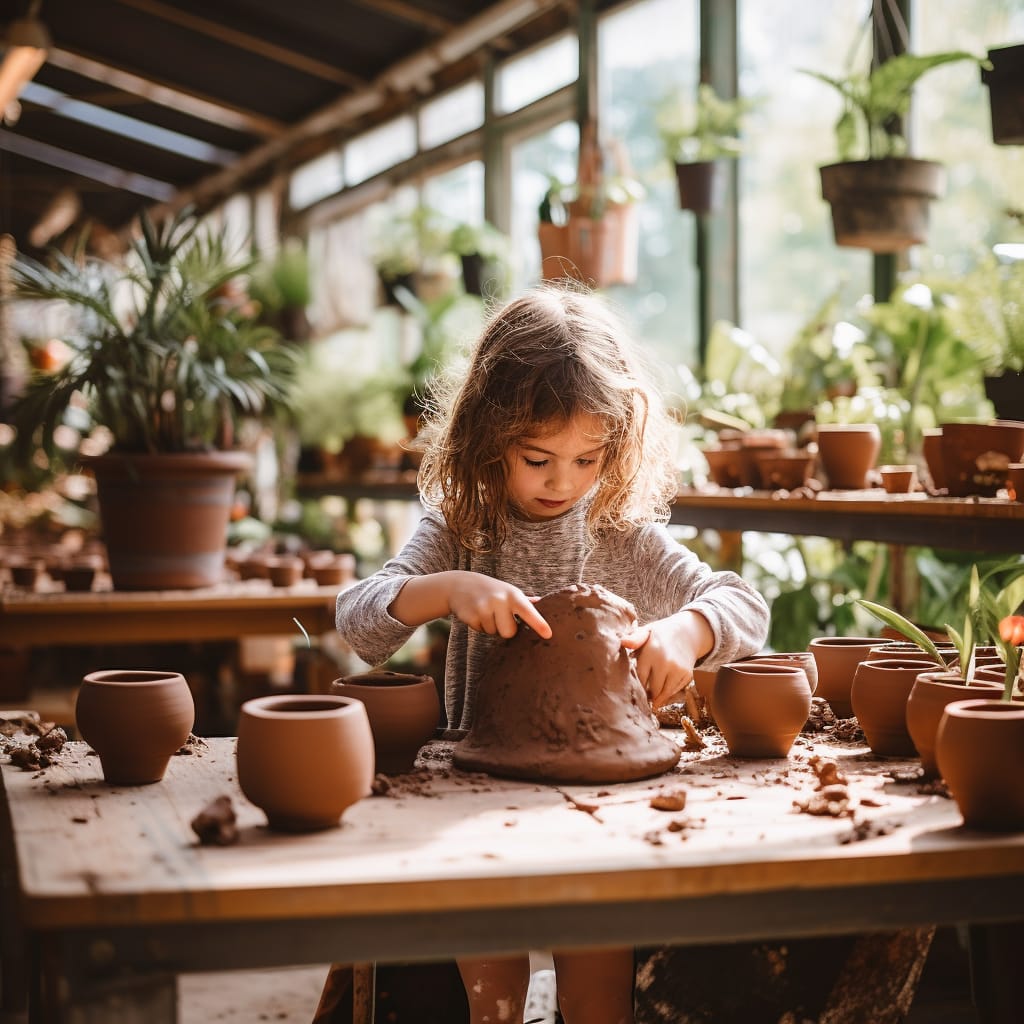
Biophilic design elements, which include natural light, trees, plants, and the use of natural materials, offer a tangible connection to the natural world. When children are surrounded by these elements, they are more likely to foster a deeper connection with nature. This connection, in turn, influences their understanding of their role within the global community and their responsibilities towards it.
While designing educational spaces, we also encourage a blend of different spaces – a mix of open and intimate, vibrant and calm, natural and constructed. This diversity caters to diverse learning needs and ensures an environment that fuels curiosity, fosters empathy, and encourages a deeper understanding of the world.
In Conclusion
As we shape the future of education, it’s imperative that we create learning spaces that inspire awe, foster a deep connection with nature and all life forms. These spaces should serve as a catalyst, guiding our children to realize, “The universe is within you, and we share a common responsibility to all living beings and our natural world.”
In doing so, our schools can create future citizens who are deeply connected with nature and are globally responsible, equipping them with the values and understanding necessary to navigate our increasingly interconnected world.
Together, let’s inspire the next generation of learners to embrace their global responsibilities and appreciate the awe-inspiring natural world that surrounds us all.
 FOUNDATIONS
Leave a comment