

Remember when you proudly recited the multiplication table in your third-grade class, or how you managed to memorize the entire periodic table for that high school chemistry test? It felt like real learning, right? A triumphant intellectual Everest ascent, where you conquered knowledge and planted your flag firmly on its peak. Now, consider this: How much of that information do you remember today? Can you apply it in real-life situations?
In their illuminating white paper “Unmasking Pseudoteaching: Empowering Students Through Authentic and Active Learning“, Prakash Nair, AIA, and Dr. Parul Minhas highlight a critical concern with these traditional modes of education. Their critical tool is a term coined by Frank Noschese: pseudoteaching.
Pseudoteaching, it turns out, is a bit like a well-intentioned magician’s trick, where students and teachers are captivated by the illusion of learning. However, the shiny facade of these pedagogical methods often disguises a crucial flaw—they fail to promote deep understanding and long-term retention of knowledge.
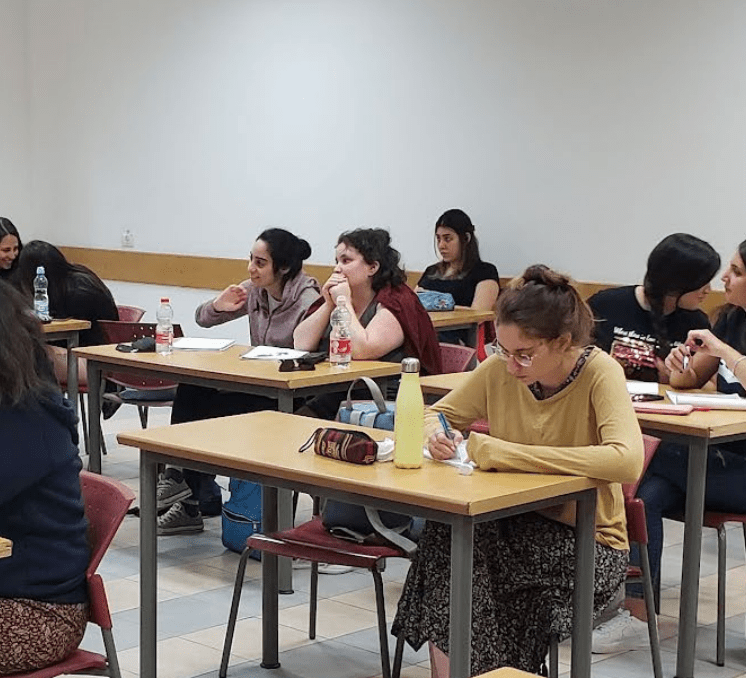
In the pursuit of immediate, impressive results—think standardized testing scores or memorization feats—we have allowed these smoke-and-mirrors tactics to infiltrate our classrooms. But, the issue at hand is: this surface-level understanding often crumbles when faced with real-world applications or the need for critical thinking. As it turns out, we’ve been preparing students to pass tests, not to be lifelong learners.
So, what’s to blame for this prevalence of pseudoteaching? The white paper points towards standardized testing pressure and the convenience of traditional teaching methods like lecturing, worksheets, and memorization. More significantly, however, it critiques the very design of our educational spaces—classroom-based models that promote passive learning and reinforce the illusion of knowledge acquisition.
But there’s light at the end of this educational tunnel. Nair and Minhas argue that to effectively address pseudoteaching, we need to embrace a new direction in education—one that also incorporates insights from the field of architecture. The evolution involves transitioning from passive to active learning and from teacher-centered to student-directed approaches. But, how exactly do we achieve this?
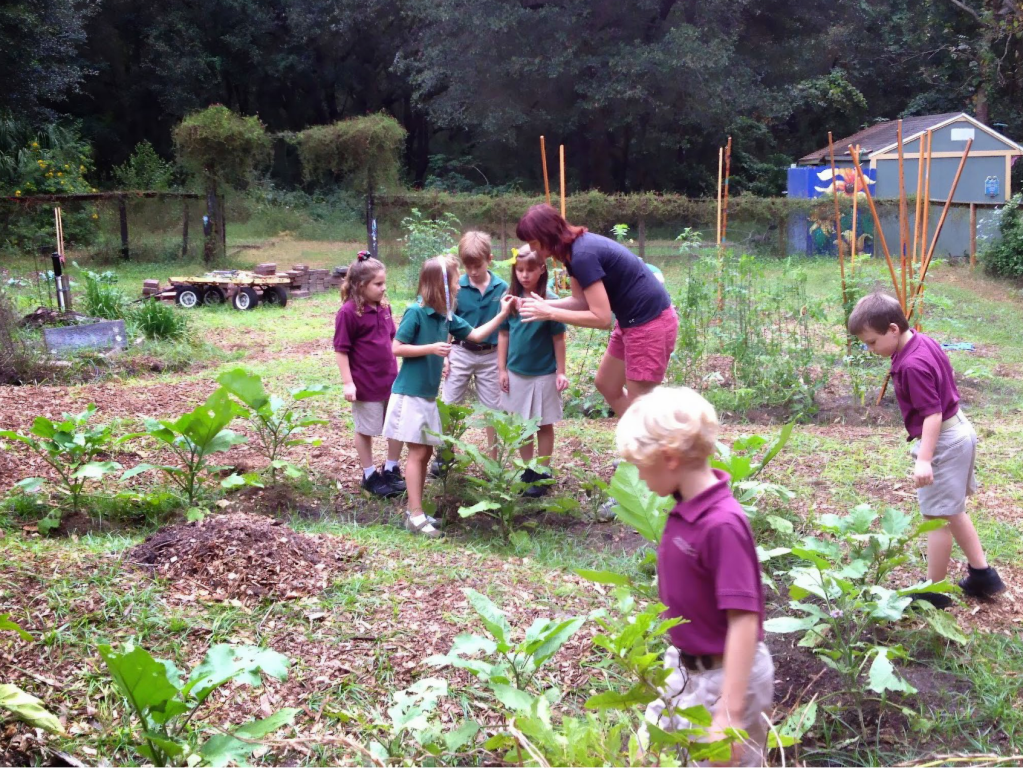
Imagine classrooms that are dynamic and flexible, spaces that encourage collaboration, creativity, and exploration. Rather than sticking to rote learning, these environments foster project-based learning, problem-solving activities, and real-world applications. Suddenly, you’re not memorizing the periodic table; you’re running experiments that help you understand the elements and their interactions. You’re connecting theory with practice and, in the process, developing vital skills such as critical thinking, communication, and adaptability.
In this revamped educational landscape, teachers transition from orators to facilitators, guiding students through thought-provoking questions and creating a safe space for them to learn from their experiences. Architects, meanwhile, play a crucial role in ensuring that these spaces are adaptable, aesthetically pleasing, and conducive to collaboration and engagement.
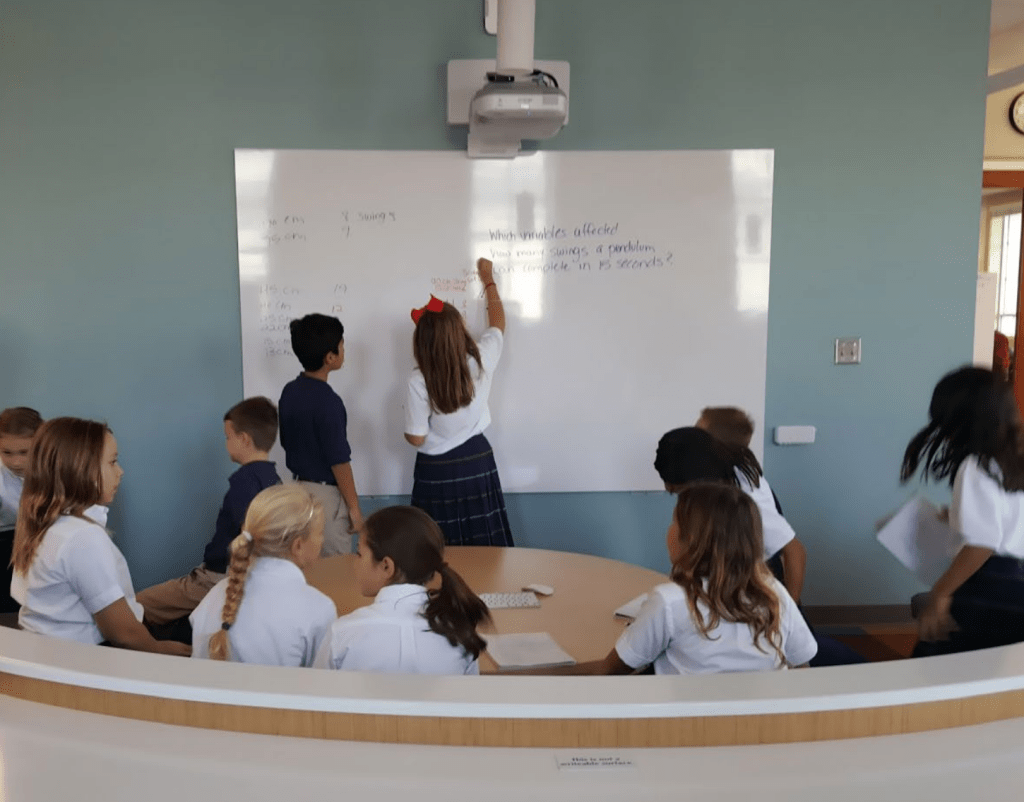
It’s a tall order, undoubtedly. Overcoming pseudoteaching and embracing student-centered learning calls for collective action. It requires educators, architects, policymakers, and stakeholders to collaborate and invest in professional development opportunities for teachers and in resources, infrastructure, and technology that can support authentic and hands-on learning experiences.
The stakes couldn’t be higher. Pseudoteaching is a persistent challenge in our educational system, but it’s not insurmountable. By recognizing the limitations of passive learning, incorporating architectural insights, and fostering authentic, student-directed approaches, we can dismantle the illusion of learning and nurture deep comprehension.
So, here’s the call to action: It’s time for a paradigm shift. Let’s redefine the roles of teachers, the design of learning environments, and the active participation of students in their educational journeys. It’s time to equip our students with the skills, knowledge, and mindset they need to thrive in an ever-evolving world. The future of education hangs in the balance, and the time for action is now.
 FOUNDATIONS