
Innovative Solutions for Space Constraints

The Challenge of Urban Green Spaces
Urbanization brings a unique challenge to educational institutions – the scarcity of green spaces. This is particularly evident in schools nestled in the heart of bustling cities, where outdoor areas are limited. However, these constraints present an opportunity to innovate and reimagine educational spaces, integrating nature into learning environments.
Innovative Green Solutions for Urban Schools
- Hydroponics: This revolutionary approach allows schools to grow plants without soil, ideal for limited urban spaces. Globally, schools are adopting hydroponic systems, transforming underutilized spaces into lush green zones. This method supports hands-on learning in science and sustainability, making it a key educational tool.
- Vertical Gardens: These living walls are a perfect solution for maximizing vertical spaces in schools. They not only enhance the beauty of the school environment but also serve as dynamic educational tools, immersing students in the wonders of nature.
- Rooftop Gardens: Schools are turning their rooftops into verdant oases. Whether it’s through organic farming or hydroponics, these gardens are an excellent way to teach sustainable agriculture and provide fresh produce to the school community.
- Miyawaki Forests: Ideal for schools with limited space, these dense, biodiverse forests create a natural haven in schoolyards, fostering environmental awareness and stewardship among students.

Why Greening Urban Schools Matters
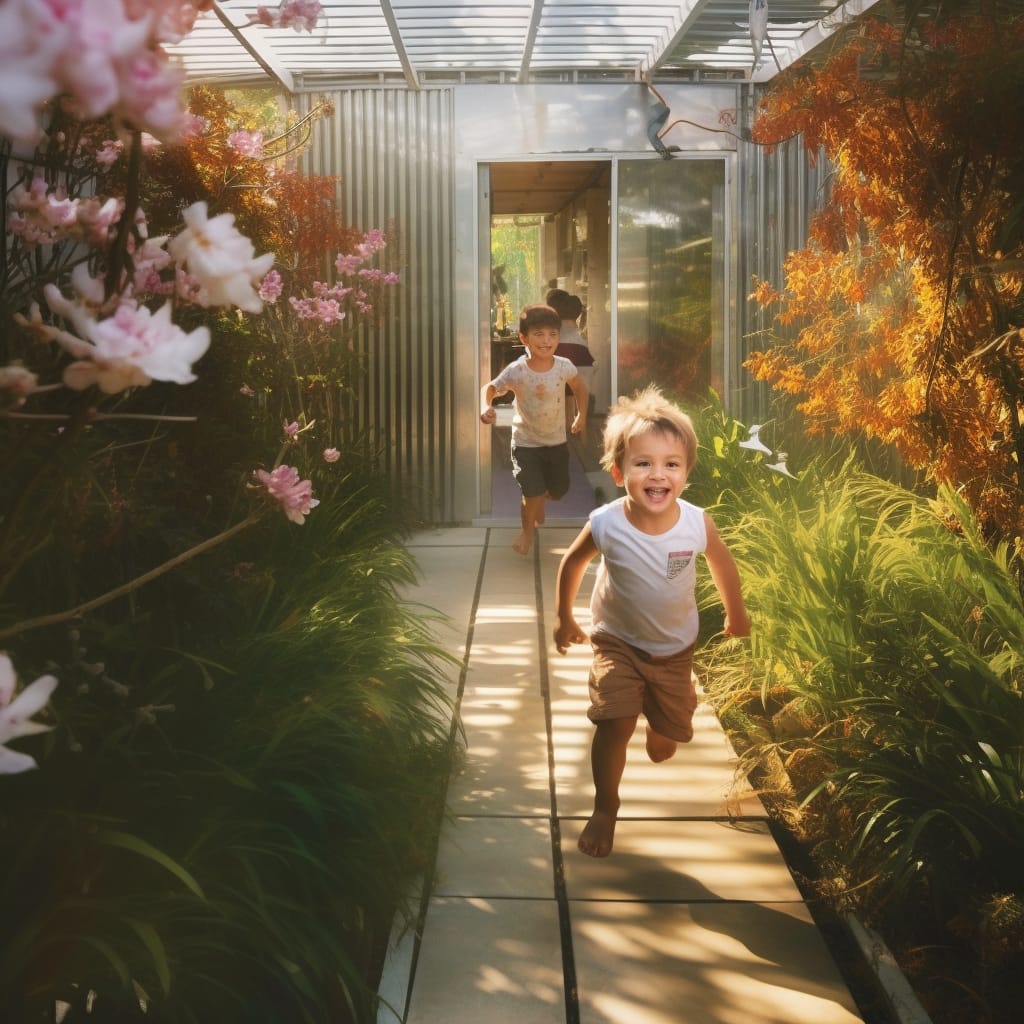
These green initiatives are more than just aesthetic enhancements; they play a crucial role in cognitive development and mental health. They foster a sense of environmental stewardship, bridging the gap between urbanization and nature. These projects provide valuable learning experiences and promote sustainable living among students.
Conclusion
In the face of urban constraints, schools have a unique opportunity to transform their spaces into vibrant, green learning environments. By adopting these innovative solutions, schools can enhance the learning experience, contribute to the well-being of students, and instill a deep appreciation for the environment.
Learn More
For those interested in delving deeper into these concepts, the chapter “Urban School Greening” in “A New Language of School Design” offers a wealth of actionable strategies and insights. It’s a guide for anyone looking to enrich urban educational spaces with the wonders of nature.
 FOUNDATIONS